 UAE |
UAE |
 USA |
USA |
 UK |
UK |
 KSA |
KSA |
 Italy |
 Pakistan |
Your Luxury Piece is Just a Click Away!
Pakistan |
Your Luxury Piece is Just a Click Away!
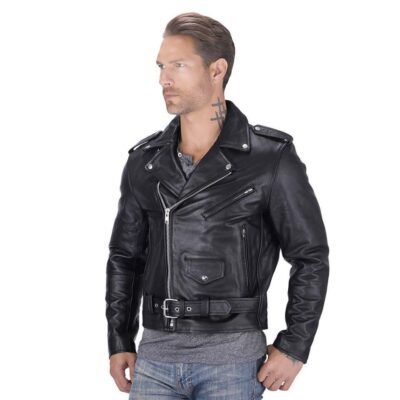
If you’ve spent more than five minutes looking for a motorcycle leather jacket online, you already know the problem. The internet is flooded with generic roundups written by people who have never swung a leg over a bike. They recommend thin, flimsy fashion jackets that would shred within the first two feet of a slide.
When you're out on the open road, your jacket isn't a fashion statement—it's your second skin.
After miles on the asphalt testing gears, checking specs, and learning what actually holds up, I’ve put together the ultimate checklist for what makes a motorcycle jacket truly protective, comfortable, and worth your hard-earned money.
1. The Safety Non-Negotiables: Catching the Red Flags Early
Before you look at the style, the brand, or the number of pockets, you need to look at the construction. If a jacket fails any of these three criteria, it is a fashion jacket, not a riding jacket:
Full-Grain Leather: This is the strongest, top layer of the hide. It retains the natural density of the leather, giving you maximum abrasion resistance if you hit the tarmac.
A Snug, Precise Fit: A loose jacket looks cool at a café, but on the road, it’s a hazard. Your jacket needs to fit tightly against your body. If it’s too loose, the internal protective armor will shift out of place during a crash, leaving your elbows and shoulders completely unprotected.
Double Stitching: Standard single stitching will pop under the friction of a slide. Look for heavy-duty, double-stitched seams that hold the panels together under extreme pressure.
The $100 Rule: If you see a "motorcycle leather jacket" online for less than $100, stay away. At that price point, the quality is incredibly suspicious. It’s almost guaranteed to be cheap synthetic material or low-grade split leather that will melt or tear instantly. Expect to spend around $150 for a high-quality, genuine protective jacket that actually does its job.
2. Style Meets Function: The Asymmetric Double-Rider
While there are plenty of cuts out there—from clean café racers to bulky touring gear—my absolute go-to is the classic asymmetric double-rider look.
Beyond the timeless, iconic rock 'n' roll vibe, this design is brilliantly functional. The deep overlapping front panels create a double layer of thick, full-grain leather directly across your chest. When you are pushing through heavy headwinds on long highway stretches, that offset zipper design acts as a massive shield, keeping the biting wind from cutting through your chest.
3. Armor Choice: Why CE Level 2 is My Long-Ride Essential
When it comes to impact protection in the shoulders, elbows, and back, I insist on CE Level 2 armor.
Yes, it’s a bit heavier and denser than Level 1, but for long rides, it is absolutely perfect. Because CE Level 2 padding is thicker, it doesn't degrade or wear down quickly. More importantly, that extra density provides an incredible secondary benefit: it acts as excellent insulation against the cold and wind, keeping you warm and focused when the temperature drops on the road.
4. Surviving the Elements: Heat & Maintenance
Beating the Summer Heat
Leather is unmatched for abrasion safety, but it can turn into an oven in hot weather. To ride safely in the summer without sacrificing your skin, look for jackets featuring perforated leather panels or zippered ventilation vents. This allows maximum airflow across your chest and underarms while keeping the heavy, unperforated leather on your high-impact slide zones.
Post-Rain Maintenance
Full-grain leather can last a lifetime, but only if you treat it right. After getting caught in a sudden downpour or covered in road grime, never just toss your jacket into a damp corner. To keep it from drying out and cracking:
Wipe off the road grit with a clean, damp cloth.
Let it air dry naturally (away from direct heaters).
Apply high-quality leather conditioners and oils to restore the hide's natural moisture.
Store it on a thick, wide hanger to help it maintain its heavy shape.
5. The Real-World Break-In Period
When you first buy a legitimate, heavy-duty full-grain leather jacket, it is going to feel incredibly hard—almost like wearing a sheet of stiff cardboard. Don't panic. This doesn't mean you bought the wrong size; it means the leather is real.
In my experience, it takes 1 to 3 weeks of regular, daily use for the hide to break in. As it absorbs your body heat and moves with your posture, it will soften up beautifully and mold itself specifically to your body shape until it feels like a custom-made second skin.
My Final Recommendation for Beginners
If you are a beginner rider looking for your very first jacket, the market can feel overwhelming. My biggest piece of advice is to ignore the mass-marketed hype and focus on a manufacturer that builds to actual riding standards.
Based on my time on the road, I highly recommend checking out the biker jackets by MSN Leathers. When I evaluated their gear, it checked every single box that a real rider looks for—the heavy-duty full-grain leather structure, the precise protective fit, rugged double-stitching, and a layout featuring two secure outer zippered pockets for keys alongside a deep internal pocket for your critical documents and cash.
Don't compromise on your safety. Invest in real leather, break it in properly, and enjoy the ride.
BACK TO JOURNAL