 UAE |
UAE |
 USA |
USA |
 UK |
UK |
 KSA |
KSA |
 Italy |
 Pakistan |
Your Luxury Piece is Just a Click Away!
Pakistan |
Your Luxury Piece is Just a Click Away!
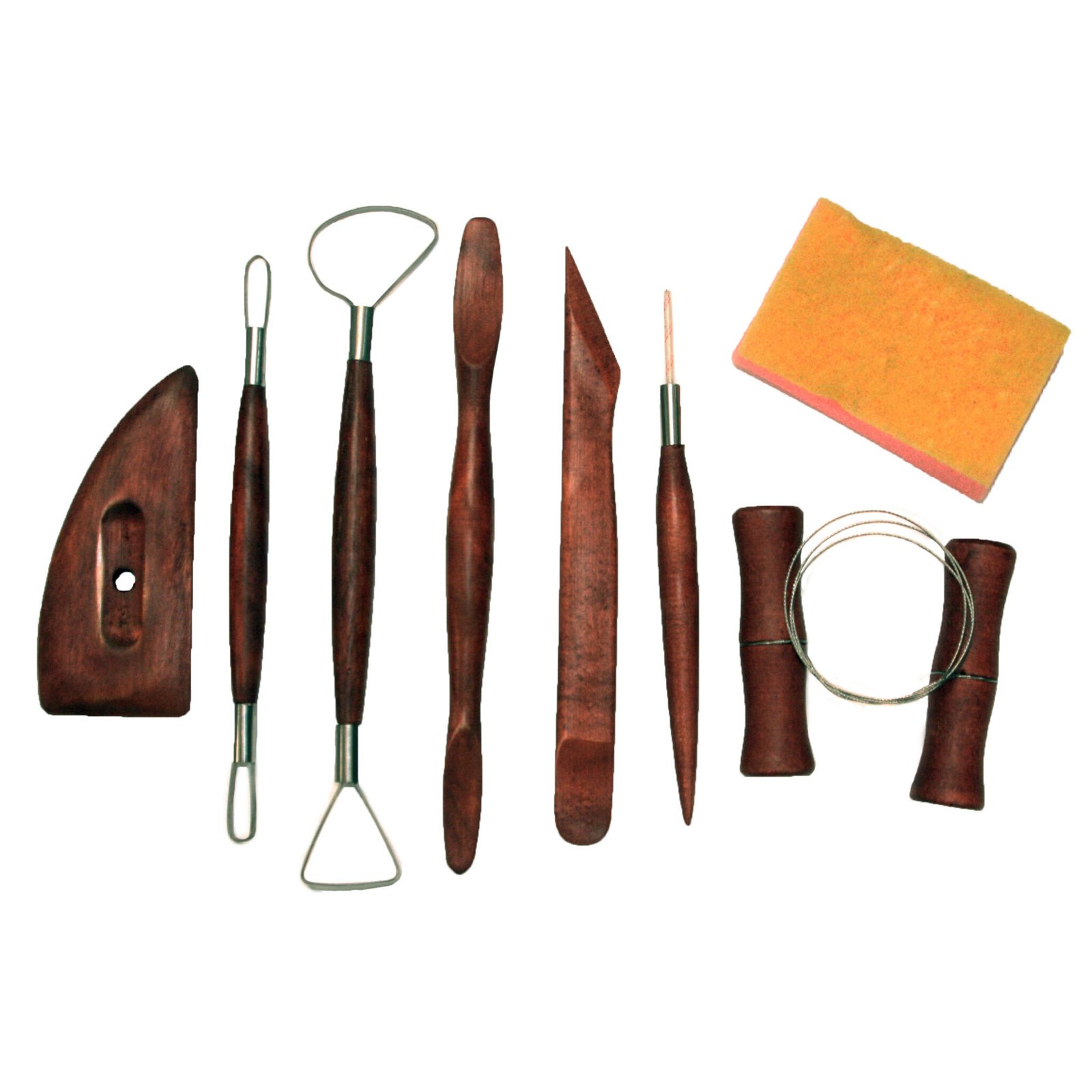
Creating quality leather products demands more than raw materials and creative vision—it requires precision tools that transform hides into finished masterpieces. Leather manufacturing tools represent the backbone of any successful workshop, whether you operate a small artisan studio or large-scale production facility. This comprehensive guide explores the essential leather tools every craftsperson needs to establish professional leather crafting capabilities. From basic handmade implements to advanced industrial machinery, understanding your equipment options determines your workshop's efficiency, output quality, and creative possibilities.
Understanding Leather Manufacturing Tool Categories
Professional leather crafting tools fall into several distinct categories, each serving specific functions within the production process. Cutting tools represent the foundation of leather work, enabling artisans to achieve precise dimensions and intricate designs. Stitching tools join leather components with reliability and aesthetic appeal. Punching tools create decorative holes and functional elements essential to finished designs. Leather machinery accelerates repetitive tasks while maintaining consistency. Understanding these categories helps workshop operators select appropriate equipment for their specific needs.
Additionally, artisan tools range from simple hand-operated devices to sophisticated industrial machines serving high-volume production environments. Both approaches maintain validity depending on your business model and creative objectives. Beginning craftspeople benefit from investing in versatile, multi-purpose leather working tools before purchasing specialized machinery. This strategic approach maximizes workshop functionality while maintaining reasonable financial investment.
Essential Cutting Tools for Leather Crafting
Quality cutting tools represent the first critical investment for any leather workshop. Sharp leather cutting tools enable clean edges and precise dimensions that distinguish professional work from amateur efforts. Straight edge cutters, available in various sizes, slice through leather cleanly without crushing fibers. These fundamental tools should represent your initial purchase priority in establishing functional crafting capabilities.
Rotary cutters offer efficient alternatives for circular cuts and curved patterns. These leather tools allow controlled cutting movements impossible with fixed-blade alternatives. Round knives, specialized cutting tools designed specifically for leather crafting, create smooth, controlled cuts through all leather thicknesses. Professional leather crafting equipment collections include multiple cutting tools accommodating different leather densities and project requirements.
Furthermore, cutting mats protect workshop surfaces while extending tool longevity. Quality cutting mats grip materials preventing slipping that compromises precision. This essential equipment investment protects both your tools and finished product quality. Metal straightedges guide cutting tools, ensuring perfectly straight lines across leather surfaces. Together, these complementary implements create comprehensive leather cutting tools systems supporting professional crafting output.
Punching and Hole-Making Equipment
Punching tools enable decorative and functional hole creation essential to many leather designs. Hole punchers, available in various sizes, create clean openings without crushing surrounding leather fibers. These affordable artisan tools serve beginners and professionals equally well. Rotating punch sets feature multiple hole sizes on a single tool, maximizing versatility within crafting workshops.
Grommet setters transform simple holes into reinforced openings withstanding stress and repeated use. These specialized leather tools prevent grommet tearing that compromises functional integrity. Stitching and punching tools work together creating structured leather products like bags and belts. Professional leather manufacturing tools collections include multiple punching options accommodating diverse hole sizes and material thicknesses.
Additionally, edge bevelers create finished, professional appearances on all leather edges. These leather working tools prevent rough edges that indicate amateur craftsmanship. Stitching holes punched with precision guides ensure perfectly aligned stitch patterns throughout finished leather crafting projects. Quality punching tools transform raw leather into products reflecting professional production standards.
Stitching Equipment and Leather Joining Methods
Hand stitching represents the most fundamental approach to joining leather components. Quality needles, waxed thread, and ergonomic stitching tools create durable seams resistant to tearing under stress. Traditional hand stitching tools allow artisans to create signature stitching patterns that distinguish handcrafted leather products from mass-manufactured alternatives.
Stitching pony devices hold leather steady during hand stitching, preventing movement that compromises seam quality. These workshop essentials dramatically improve crafting efficiency by freeing both hands for stitching work. Edge beveling tools prepare leather edges for stitching, creating smooth surfaces preventing thread fraying. Together, these tools establish comprehensive hand-stitching capabilities suitable for artisan production environments.
Furthermore, sewing machines purpose-designed for leather dramatically accelerate stitching tasks while maintaining quality. Industrial leather machinery featuring heavy-duty motors power through thick leather layers that would challenge standard sewing machines. These machines represent significant equipment investments but dramatically increase production capacity for commercial operations. Professional leather manufacturing tools collections increasingly include both hand-stitching implements and machine equipment accommodating diverse project requirements and timelines.
Finishing and Surface Treatment Tools
Professional leather working tools include implements for finishing and surface preparation. Edge finishers smooth and seal exposed leather edges, creating professional appearances distinguishing quality leather crafting from amateur efforts. These tools prevent fraying and protect against water damage that degrades leather durability.
Burnishing tools create polished, professional finishes on leather surfaces and edges. These equipment pieces range from simple hand-operated implements to electric machinery accelerating finishing processes. Professional leather manufacturing tools collections include multiple burnishing options accommodating different leather types and desired finishes.
Additionally, dyeing and staining equipment enables custom color applications transforming leather appearance. Brushes, sponges, and spray machinery provide diverse application methods suiting different artistic visions. Sealing products protect finished leather crafting projects from water damage and staining. Together, finishing tools complete the production process, transforming functional leather items into showroom-quality products.
Measuring and Marking Implements
Precision begins with accurate measurement and marking. Quality measuring tapes, rulers, and marking tools ensure project dimensions match specifications exactly. These fundamental leather crafting tools prevent costly mistakes requiring material replacement. Professional leather working tools collections include multiple measuring implements accommodating different measurement scales and precision requirements.
Marking tools range from traditional chalk and pencils to specialized leather marking implements preventing permanent marks. These essential workshop equipment pieces enable pattern transfer ensuring perfect cuts and hole placements. Precise marking transforms complex designs into achievable leather crafting projects. Industrial leather manufacturing tools systems include automated marking machinery for high-volume production, while artisan workshops rely on careful hand marking and measurement.
Advanced Machinery for Production Environments
Industrial leather operations require sophisticated machinery dramatically increasing production capacity. Heavy-duty cutting machines equipped with precise guides and powerful blades slice through leather with remarkable consistency. These production tools enable high-volume output impossible through manual cutting methods. Professional leather manufacturing tools systems often include automated cutting equipment ensuring identical piece dimensions across large batches.
Skiving machines reduce leather thickness in specific areas, essential for professional finishes on seams and closures. These specialized machines represent substantial investments but prove invaluable in commercial operations. Creasing machinery creates precise fold lines improving product appearance and functionality. Together, these advanced tools establish comprehensive production capabilities supporting large-scale leather operations.
Workshop Organization and Tool Storage
Proper tool organization maximizes efficiency while protecting equipment investments. Tool chests, pegboards, and specialized storage systems prevent tools from becoming misplaced or damaged. Professional leather workshops allocate significant space to organized tool storage ensuring quick access during crafting sessions. This organizational infrastructure supports workflow efficiency and project completion timelines.
Climate control protects sensitive leather manufacturing tools from moisture damage and temperature extremes that compromise functionality. Humidity management prevents rust on metal implements and warping of wooden tool handles. Professional workshops invest in dehumidifiers and climate control equipment preserving tool longevity. These environmental considerations distinguish well-maintained leather crafting spaces from haphazard production environments.
Building Your Essential Tool Kit on Budget
Beginning leather crafting enthusiasts need not purchase complete professional tool collections immediately. Strategic purchasing prioritizes essential implements first, expanding gradually as skills and production needs grow. Basic cutting tools, punching implements, and hand stitching equipment establish functional capabilities supporting diverse projects.
Quality matters more than quantity—investing in superior tools proves more economical than purchasing cheap implements requiring frequent replacement. Established leather craftspeople recognize that quality artisan tools improve efficiency and finished product quality dramatically. Building comprehensive tool collections represents ongoing investment in your leather crafting business rather than single large purchases.
Additionally, seeking used equipment from retiring craftspeople provides opportunities to acquire professional leather manufacturing tools at reduced prices. These tools often feature superior craftsmanship compared to modern equipment. Community leather workshops sometimes offer tool-sharing opportunities enabling access to expensive machinery without complete ownership investment.
Conclusion
Establishing a functional leather workshop demands strategic equipment investment addressing diverse manufacturing processes. Essential leather manufacturing tools enable cutting, stitching, finishing, and quality control functions necessary for professional production. Whether you establish a small artisan studio or commercial leather operation, selecting appropriate tools determines your creative possibilities and production efficiency.
Leather crafting tools range from affordable hand implements to sophisticated industrial machinery, each serving specific purposes within comprehensive production systems. Quality leather working tools investments pay dividends through improved efficiency, superior finished products, and extended equipment longevity. Begin with essential cutting and stitching tools, expanding gradually as your leather crafting business grows and specialization demands emerge.
Your workshop becomes more productive, efficient, and capable as you invest in appropriate leather manufacturing tools. Prioritize quality, plan strategically, and build your collection thoughtfully. This measured approach ensures your tools support professional leather crafting capabilities while maintaining financial sustainability in your business operations.
Frequently Asked Questions
What are the most essential leather manufacturing tools to start with?
Beginning crafters should prioritize cutting tools, stitching implements, and punching equipment as foundational leather crafting tools. Quality straight edge cutters, hand needles, waxed thread, and hole punches establish basic leather working tools capabilities. These affordable artisan tools enable diverse projects without substantial initial investment. As skills develop and production increases, you expand into specialized leather manufacturing tools and machinery addressing specific needs.
How much does a complete leather workshop equipment setup cost?
Basic leather crafting equipment setup ranges from $200-$500 including essential cutting, stitching, and punching tools. Professional leather working tools collections expand to $1,000-$5,000 adding specialized implements and beginner machinery. Industrial leather manufacturing tools systems featuring advanced machinery cost significantly more depending on production capacity requirements. Your investment level depends on production scale, business goals, and available capital. Strategic purchasing allows gradual expansion rather than requiring complete investment upfront.
What are the differences between hand tools and machine equipment for leather crafting?
Hand artisan tools enable artistic expression and customization while requiring more time investment. Leather machinery dramatically increases production speed and consistency suited for commercial operations. Stitching and punching tools operated manually develop superior craftsmanship and unique character distinguishing handmade items. Industrial machines optimize efficiency and output capacity supporting high-volume requirements. Professional leather workshops often employ both approaches, using hand tools for specialty items and machinery for production work.
Where should I purchase quality leather manufacturing tools and equipment?
Established leather suppliers maintain online and brick-and-mortar stores offering comprehensive leather crafting tools selections. Specialty retailers focus exclusively on leather working tools, providing expert guidance for selection. Industrial equipment suppliers stock machinery for large-scale production operations. Online marketplaces connect craftspeople with tools from diverse manufacturers. Seek suppliers offering quality equipment, generous return policies, and responsive customer service ensuring satisfaction with your leather manufacturing tools purchases.
How do I maintain and care for my leather crafting tools?
Regular cleaning prevents debris accumulation damaging tool functionality. Oil metal implements preventing rust and corrosion. Store tools in dry environments maintaining stable temperatures. Sharpen cutting implements regularly ensuring clean, efficient cuts. Inspect stitching and punching tools periodically replacing worn components. Proper maintenance extends leather working tools longevity dramatically, protecting your equipment investments. Professional workshops establish routine maintenance schedules ensuring tools remain in optimal condition supporting consistent, high-quality leather crafting production.
BACK TO JOURNAL