 UAE |
UAE |
 USA |
USA |
 UK |
UK |
 KSA |
KSA |
 Italy |
 Pakistan |
Your Luxury Piece is Just a Click Away!
Pakistan |
Your Luxury Piece is Just a Click Away!
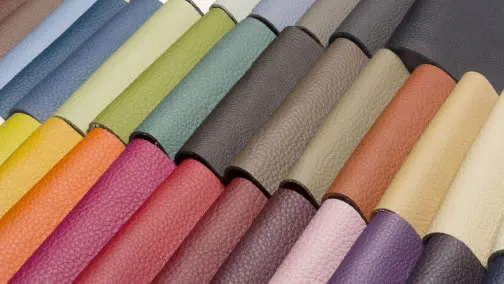
Every leather lover knows the frustration of a scuffed couch, a faded jacket, or a scratched bag that no longer matches its original color. Whether you own a vintage sofa or a brand-new pair of boots, leather color matching is an essential skill that keeps your items looking fresh, polished, and professional. At MSN Leathers, we help customers across the USA achieve an exact color match every time. Furthermore, with the right tools and techniques, you can restore leather color like a pro — without spending a fortune.
In this comprehensive guide, we walk you through everything you need to know about leather color matching, from understanding pigment types and shade variations to mastering the dye application process. Let's get started.
Why Leather Color Matching Matters
Before you begin the leather repair process, it's important to understand why precise color matching is so critical. Leather is a natural material, and its tone, texture, and surface finish can vary significantly — even within the same product. Therefore, a mismatched dye or pigment can make a repair look worse than the original damage.
Additionally, matching shades correctly preserves the value of high-quality leather goods. Whether you're fixing a small leather stain or restoring an entire jacket, precise color blending ensures seamless, professional results.
Step 1: Identify Your Leather Type and Color
The first step in the leather color matching process is identifying your leather type. Different leathers — aniline, semi-aniline, pigmented, and nubuck — respond differently to dye and leather polish. Moreover, the original color and finish of your leather directly impact how you should approach the dye application.
Here's how to identify your leather's color accurately:
- Check the manufacturer's label or care tag for the original shade code.
- Take your leather item to natural daylight to see its true tone.
- Compare the color against standard leather dye swatches available from MSN Leathers.
- Use a magnifying glass to check the texture and surface finish, which help determine the base type.
Step 2: Choose the Right Leather Dye
Once you identify the leather type, it's time to choose the correct leather dye. This is arguably the most important step in leather color matching because the wrong pigment can permanently alter the look of your item.
There are two primary types of leather dye you should consider:
Water-Based Leather Dye
Water-based dyes are ideal for color restoration on most types of leather. They offer excellent color consistency, dry quickly, and produce minimal odor. Additionally, they work well for color blending when you need to match leather shades gradually.
Alcohol-Based Leather Dye
Alcohol-based dyes penetrate deeper into the leather fibers, making them ideal for professional leather coloring. However, they dry faster, so you must work quickly during dye application. They are particularly effective for how to dye leather projects that require a rich, saturated finish.
Pro Tip from MSN Leathers: Always test your chosen leather dye on a hidden area before applying it to the full surface. This small step prevents costly mistakes.
Step 3: Prepare the Leather Surface
Proper surface preparation is key to successful leather color matching. First, clean the leather thoroughly to remove dirt, oils, and old leather polish residue. Next, lightly deglaze the surface to remove any existing finish or stain that might block the new dye from penetrating.
Follow these steps to prepare your leather surface:
• Wipe the surface with a clean, damp cloth to remove dust and debris.
• Apply a leather deglaze solution using circular motions to strip the old finish.
• Allow the surface to dry completely before moving to dye application.
• Sand very lightly with fine-grit sandpaper if the texture is uneven.
Step 4: Master the Dye Application Process
Now comes the most critical part — the actual dye application. Learning how to dye leather correctly ensures even color consistency across the entire surface.
To begin, apply the leather dye in thin, even layers using a wool dauber, sponge, or airbrush. Always work in circular motions to blend leather dye smoothly. Furthermore, build up the color gradually — multiple thin coats produce better results than one heavy application.
After each coat, allow the leather to dry completely. Then, lightly buff the surface with a soft cloth to check the shade. Repeat the process until you achieve an exact color match. Finally, seal the dye with a quality leather finish to lock in the color and protect the surface.
Step 5: Blend and Restore Leather Color Like a Pro
Sometimes, you won't find a perfect off-the-shelf leather dye that matches your item. In that case, you'll need to blend leather dye to create a custom shade. This process, known as color blending, involves mixing two or more pigment shades until you achieve the desired tone.
At MSN Leathers, our professional leather coloring experts recommend starting with your base color and adding small amounts of a secondary shade until you reach the right match. Additionally, always test the blended dye on a scrap piece of leather before applying it to your item.
If you want to fix faded leather, the process is similar. Start by cleaning the surface, then apply a base coat of the closest matching leather dye. Next, use color blending techniques to build depth and richness back into the faded area. As a result, your leather will look vibrant and restored.
Step 6: Seal and Protect the Finish
After you successfully restore leather color, you must seal and protect the new finish. Apply a high-quality leather polish or topcoat to lock in the dye and prevent future stain penetration. Moreover, a good sealant enhances the texture and gives the surface a professional-grade finish.
For best results, MSN Leathers recommends applying two coats of sealant, allowing full drying time between each layer. Consequently, this extends the life of your leather repair and maintains color consistency for years to come.
Common Leather Color Matching Mistakes to Avoid
Avoiding these common mistakes will save you time and money during the leather repair process:
- Skipping surface preparation before dye application — this leads to uneven color absorption.
- Using the wrong dye type for your specific leather — always check compatibility first.
- Applying too much leather dye at once — thin layers produce better color consistency.
- Neglecting to seal the finish after color restoration — this causes the color to fade quickly.
- Ignoring the original texture — always match the finish (matte vs. glossy) of the original surface.
Why Choose MSN Leathers for Your Leather Color Matching Needs?
At MSN Leathers, we understand that leather color matching can feel overwhelming. That's why we offer a curated selection of premium leather dye, leather polish, and color restoration products specifically tailored for the US market. Furthermore, our expert team is always available to help you find the exact color match for your unique leather item.
Whether you're tackling a DIY leather repair project or looking for professional leather coloring solutions, MSN Leathers has everything you need to achieve stunning, long-lasting results.
Frequently Asked Questions
How do I find the exact color match for my leather item?
To find an exact color match, compare your item to leather dye swatches in natural daylight. You can also bring your item to MSN Leathers for a professional shade matching consultation. Furthermore, using a color-matching app on your smartphone can help you identify the precise tone and pigment values.
Can I restore leather color on heavily faded leather?
Yes, you can restore leather color even on heavily faded surfaces. Start by thoroughly cleaning the leather, then apply multiple thin coats of matching leather dye. Use color blending techniques to build back the original shade and tone. As a result, you can significantly fix faded leather and extend the life of your item.
What is the best method for leather dye techniques on dark leather?
For dark leather, alcohol-based leather dye provides the deepest pigment saturation. Apply thin layers and build the color gradually. Moreover, always seal the finish with a dark-tinted leather polish to enhance depth. These proven leather dye techniques deliver professional results every time.
How long does leather color restoration last?
With proper application and sealing, color restoration on leather can last anywhere from 2 to 5 years, depending on use and care. To maintain color consistency, clean your leather regularly and apply a quality leather polish every few months. Furthermore, avoiding direct sunlight slows color fading.
Can I use leather dye on all types of leather?
Not all leather dye products are compatible with every leather type. For instance, aniline leather absorbs dye differently than pigmented leather. Therefore, always check the product specifications before starting the leather repair process. At MSN Leathers, we carry leather dye formulas suitable for all major leather types used across the USA.
BACK TO JOURNAL