 UAE |
UAE |
 USA |
USA |
 UK |
UK |
 KSA |
KSA |
 Italy |
 Pakistan |
Your Luxury Piece is Just a Click Away!
Pakistan |
Your Luxury Piece is Just a Click Away!
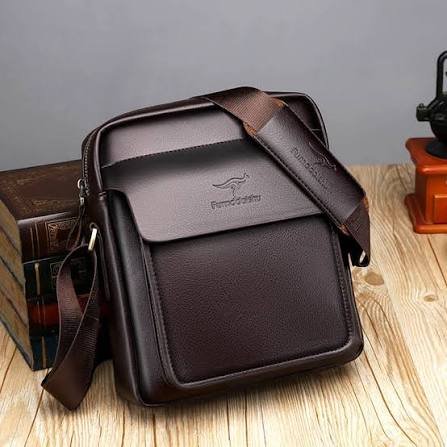
How should a man wear a crossbody bag?
A man should wear a crossbody bag with the strap resting diagonally across the chest and back, with the bag itself sitting at hip level or slightly above the waist. The strap should be adjusted snugly so the bag doesn't swing while walking. For a clean look, pair it with fitted or semi-fitted clothing so the strap doesn't get lost in bulky fabric.
Are crossbody bags OK for men?
Yes, crossbody bags are completely acceptable and increasingly popular for men. They're widely worn by men across the U.S. for daily commuting, travel, and casual outings because they offer hands-free convenience, better weight distribution than a shoulder bag, and a masculine, streamlined silhouette when made from quality materials like leather.
What do men carry in a crossbody bag?
Men typically carry everyday essentials such as a smartphone, wallet, keys, sunglasses, a small notebook or tablet, chargers and cables, a compact power bank, and sometimes a passport or travel documents. Many men's crossbody bags also include a padded compartment for a small tablet or e-reader.
What are the benefits of using a crossbody bag for men?
Crossbody bags offer hands-free convenience, even weight distribution across the body (reducing shoulder and back strain), quick access to essentials, added security since the bag stays close to the body, and a compact design that works for both casual and semi-formal outfits.
What side should you wear a crossbody bag on?
There's no strict rule — it comes down to comfort and dominant hand. Most men wear the strap over the shoulder opposite to the hand they use most, so the bag rests near the non-dominant hip, keeping the dominant hand free. For example, a right-handed man typically wears the strap over the left shoulder so the bag sits on the right hip.
Are crossbody bags out of style in 2026?
No. Crossbody bags remain a staple in men's fashion in 2026, with continued demand for minimalist, functional leather designs. The trend has shifted toward slimmer profiles, genuine leather construction, and multi-purpose designs that work for both work and travel, rather than fading out.
What are the different materials used for men's crossbody bags?
Common materials include full-grain leather, top-grain leather, genuine leather, canvas, nylon, and synthetic leather (PU). Full-grain and top-grain leather are preferred for durability and a premium look, while canvas and nylon are popular for lightweight, casual, and weather-resistant options.
What are the benefits of using a leather crossbody bag?
Leather crossbody bags offer superior durability, a refined and professional appearance, resistance to daily wear, and the ability to age gracefully with a natural patina over time. Leather also molds to daily use, making it more comfortable and long-lasting compared to synthetic alternatives.
What are the steps involved in the manufacturing process of a leather bag?
The typical process includes: (1) selecting and grading raw hides, (2) tanning to preserve and treat the leather, (3) cutting panels according to the design pattern, (4) skiving and preparing edges, (5) stitching panels together with reinforced seams, (6) attaching hardware such as zippers, buckles, and straps, (7) edge finishing and burnishing, and (8) final quality inspection before packaging.
What defines a crossbody bag?
A crossbody bag is defined by its long strap designed to be worn diagonally across the body, allowing the bag to rest on the opposite hip from the shoulder it's worn on. This design distinguishes it from shoulder bags or handheld bags, offering hands-free, secure carrying.
What are the 7 types of bags?
Common bag types include: (1) crossbody bags, (2) backpacks, (3) briefcases, (4) messenger bags, (5) totes, (6) duffel bags, and (7) sling bags. Each style is designed for different use cases, from professional settings to travel and daily commuting.
What is 100% real leather called?
100% real leather is generally referred to as "genuine leather," though within genuine leather there are quality grades — full-grain leather (the highest quality, made from the top layer of the hide) and top-grain leather (sanded and refined for a more uniform finish).
What are the materials of a genuine leather backpack?
A genuine leather backpack is primarily made from real animal hide (commonly cowhide), along with supporting materials such as cotton or polyester lining, metal or YKK-style zippers, brass or nickel hardware, and reinforced stitching thread for durability.
How to identify if it is a real leather backpack?
Real leather has a natural, slightly irregular grain pattern, a distinct earthy smell, and warms up to the touch. It also develops a slight give when pressed and shows subtle creasing rather than a uniform, plastic-like texture. Genuine leather also darkens or develops a patina over time, unlike synthetic materials.
Why choose a genuine leather briefcase?
A genuine leather briefcase offers a professional, timeless appearance, superior structural durability for carrying laptops and documents, and long-term value since quality leather improves with age instead of deteriorating. It also provides better protection for electronics and papers compared to synthetic alternatives.
What types of leather are used in men's briefcases?
Men's briefcases are commonly made from full-grain leather, top-grain leather, and pebbled or textured genuine leather. Full-grain is preferred for premium, long-lasting briefcases, while top-grain offers a smoother, more refined finish at a slightly lower cost.
How to distinguish genuine leather from fake leather?
Genuine leather has natural texture variations, a distinct smell, and becomes softer and more supple over time. Fake (synthetic) leather typically has a uniform, plastic-like texture, a chemical smell, and doesn't develop natural creasing or patina with use. Checking the edges can also help — genuine leather edges are fibrous, while synthetic leather edges often look plastic or layered.
How to clean a men's leather crossbody bag?
Wipe the bag with a soft, dry microfiber cloth to remove surface dust. For deeper cleaning, use a slightly damp cloth with a small amount of mild leather cleaner, then let it air dry away from direct heat or sunlight. Follow up with a leather conditioner every few months to keep the material supple and prevent cracking.
How to maintain the shape of a briefcase?
Store the briefcase upright, stuff it with tissue paper or a shape insert when not in use, and avoid overloading it beyond its intended capacity. Keep it away from prolonged direct sunlight and moisture, and use a leather conditioner periodically to keep the material firm and prevent sagging.
What colors are available in your crossbody bag?
MSN Leathers offers men's crossbody bags in a range of classic and versatile colors, including black, brown, tan, and dark walnut, designed to suit both casual and formal outfits. [Check the current product listings] for the full color availability by style.
Can a crossbody bag hold a tablet?
Yes, many men's crossbody bags, including MSN Leathers' designs, are built with padded compartments sized to fit tablets and small e-readers, in addition to space for a phone, wallet, and other daily essentials.
What if leather gets wet?
If leather gets wet, blot it immediately with a clean, dry cloth — never rub. Let it air dry naturally at room temperature, away from direct heat sources like radiators or hairdryers, which can cause cracking. Once dry, apply a leather conditioner to restore moisture and prevent stiffness.
Are the straps of a leather crossbody bag for men adjustable?
Yes, MSN Leathers' men's crossbody bags feature adjustable straps, allowing you to customize the length for a comfortable, secure fit whether worn higher on the chest or lower near the hip.
Is there a warranty on your products?
Yes, MSN Leathers stands behind the quality of its craftsmanship. [Insert specific warranty terms — e.g., duration, coverage, and claim process] to reassure customers of product durability and after-sales support.
BACK TO JOURNAL