 UAE |
UAE |
 USA |
USA |
 UK |
UK |
 KSA |
KSA |
 Italy |
 Pakistan |
Your Luxury Piece is Just a Click Away!
Pakistan |
Your Luxury Piece is Just a Click Away!
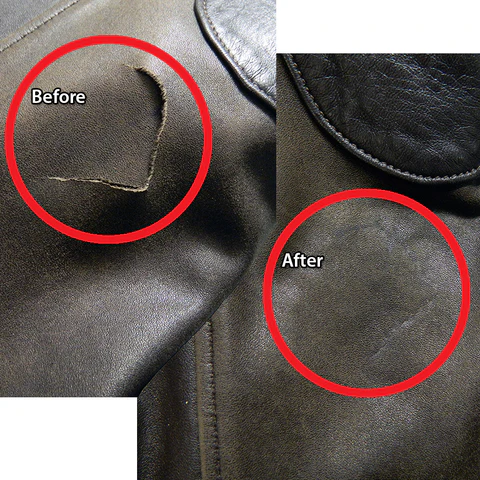
We’ve all been there: you’re wearing your favorite leather jacket, and a sudden snag against a sharp branch or a rough surface leaves you with a visible, frustrating cut. When you invest in high-quality leather, the instinct is to panic, but before you toss it or spend a fortune on professional restoration, it’s important to know what can actually be saved.
As someone who works daily in the leather manufacturing and export industry with MSN Leathers, I’ve seen it all—from minor scuffs to major structural failures. Here is the professional breakdown on what you can repair at home and when it’s time to accept the damage.
The Reality Check: What Can (and Can't) Be Fixed?
Not all leather damage is created equal. Understanding the difference is the key to preventing a minor issue from becoming a total loss.
Fixable: Small, clean cuts or snags. These are usually repairable with the right technique and patience.
The Point of No Return: If your leather has started to crumble (what we call reza reza), has lost its natural oils, has been significantly burned, or has been damaged by harsh chemicals, it is generally beyond repair. Additionally, if the jacket’s base quality is low, even a minor cut can be difficult to mend properly.
The Professional DIY Fix for Minor Cuts
I once snagged a brand-new jacket while traveling, and I managed to restore it so perfectly that you couldn't even tell it had been damaged. You can achieve this too by following this professional method:
Backing is Essential: Never just glue the surface. Cut a tiny piece of thin, durable fabric and insert it underneath the cut to provide structural support.
Color Matching: Use a leather glue that matches the exact color of your jacket. Using a mismatch will make the repair stand out rather than blend in.
Precision Application: Use a toothpick to carefully apply the glue along the edges of the cut. This prevents the messiness of over-application and ensures a seamless bond.
The "Three Enemies" of Leather
Based on my experience, most damage falls into three categories:
Sharp Cuts: Manageable with the glue-and-backing method mentioned above.
Fungus: This usually happens when the jacket is stored improperly. Treat this by cleaning it carefully with a high-quality, professional-grade leather oil.
Cracks (Dararein): This is the one that frustrates most people. Unfortunately, once deep cracks have formed, they cannot be "repaired." They are a sign that the material has reached the end of its life cycle.
Pro-Tips for Longevity
If you want to avoid these headaches, focus on prevention:
Storage: Keep your jacket in a cool, dry place.
Conditioning: Regularly use a dedicated leather conditioner to keep the material supple.
Sunlight: Avoid direct, prolonged exposure to sunlight, which leaches the natural oils from the hide and leads to brittleness.
Quality Check: When buying a jacket, look for natural grains and a substantial weight. If a jacket feels overly shiny or "plastic," it is likely a lower-grade product that will be harder to maintain and impossible to repair.
The Golden Rule: STOP Doing This!
If you take only one thing away from this post, let it be this: Stop trying to "quick fix" your jacket with standard super glue (like Elfy) or attempting to wash it in a machine.
Standard adhesives are too rigid and will destroy the soft texture of the leather, and water/heat will strip away the finish entirely. These are the two fastest ways to turn a minor scratch into a permanent, irreparable hole.
If you ever find yourself facing a major tear or significant color loss that you aren't comfortable fixing yourself, always look for a professional restorer. Before hiring them, demand to see before-and-after photos of their previous work to ensure they can achieve an exact color match.
BACK TO JOURNAL